


Piedmont Hazelnut PGI
The PGI Piedmont Hazelnut (Nocciola Piemonte PGI) refers to the nuts, shelled nuts, and semi-processed products obtained from the Tonda Gentile Trilobata hazelnut cultivar, produced in Piedmont, primarily in the area between the hills of the Langhe, Roero, and Monferrato. The PGI Piedmont Hazelnut is subject to a Production Regulation that establishes the product's characteristics, from the cultivar to the production area, cultivation methods, marketing, and labeling. The PGI Piedmont Hazelnut was officially recognized by Ministerial Decree on December 2, 1993. It should normally be stored in a cool, well-ventilated area and can be eaten freshly picked or after drying. The product is primarily used in the confectionery industry for the preparation of creams, cakes, ice cream, or as an ingredient in the typical Piedmontese chocolate, gianduiotto, and in the characteristic Christmas nougat, where the hazelnut is the key ingredient and best expresses its characteristics. The Piedmont Hazelnut PGI also stands out for its beneficial properties. It is rich, for example, in oleic acid, which fights bad cholesterol and increases good cholesterol, as well as vitamin E, which helps combat free radicals and skin aging.


Caraglio Garlic PGI
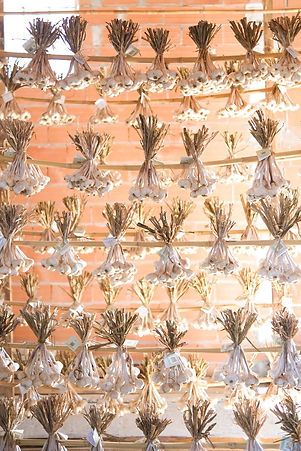
The territory of the small municipality of Caraglio, in the foothills of the Grana Valley, has always been particularly suited to garlic cultivation. Thanks to its proximity to the Alps, winters are cold and snowy, while springs and summers are cool and breezy. This microclimate gives garlic (both cooked and raw) a delicate flavor and easy digestibility. Sowing takes place in autumn, and the garlic is grown using traditional techniques: manual cultivation, no synthetic chemicals, and at least three-year crop rotation with legumes (such as lentils and beans), grains (such as eight-row corn and barbarià, a rye and wheat intercrop once used by farmers to produce a special flour), and other crops (such as potatoes and cabbage) grown on soil occasionally fertilized with mature cow manure. The plant is vigorous and hardy, with a small bulb (20-60 mm) and tapered cloves with wine-red streaks. After harvesting, the bulbs are dried on racks and then packaged, strictly by hand. On the nose, Caraglio's historic garlic offers delicate aromas and flavors, which are also evident on the palate. Its persistent flavor makes it an ideal ingredient for some traditional Piedmontese dishes such as soma d'aj (a bruschetta with homemade bread, garlic, extra virgin olive oil, and salt), bagna cauda (a garlic and anchovy sauce), and bagnetto verde (green sauce).
Honey
The history of honey production in Piedmont dates back to the Middle Ages, as evidenced by documents from the 13th to 15th centuries that attest to the spread of beekeeping in the region, especially in the provinces of Cuneo, Turin, Alessandria, and Novara. Today, Piedmontese beekeeping is represented by approximately 4,200 beekeepers and 151,000 hives, with a significant number of producers working together in cooperatives. These cooperatives are necessary to address the economic and equipment challenges of individual beekeepers, and to protect and ensure product quality. Bees are essential for pollination, biodiversity, and food production. However, climate change, pesticide use, and habitat destruction are putting their survival at risk. Without bees, the ecological balance and global food security would be severely compromised. At the COMPA project, we are committed to promoting the products of small-scale beekeepers, and we are committed to disseminating the supply chain philosophy, because we believe it is important to raise consumer awareness and raise awareness of these issues. We want to promote informed honey consumption and purchasing decisions that value and support local producers.


Dolcetto d'Alba DOC and Dogliani DOCG
Dolcetto is one of Piedmont's most typical and widespread grape varieties. Its name perhaps derives from the sweetness of the ripe grapes, or according to another theory, from the Piedmontese term "dosset," meaning a low-lying hill. For centuries, wine produced from Dolcetto grapes was a key component of Piedmontese rural life and a major trade item with Liguria, which, in addition to oil and salt, also imported anchovies, the main ingredient in one of Piedmont's most famous dishes, bagna caöda. Despite this, reliable information about Dolcetto dates back only to the 18th century. Dolcetto d'Alba wine obtained DOC status in 1974. Dolcetto d'Alba DOC is characterized by its ruby red color, sometimes verging on purple. On the nose, it offers very open and varietal fruity aromas, ranging from red cherry to morello cherry. On the palate there is a nice balance between the various tannic, acidic and alcoholic components, which make the wine savoury and very pleasant.

Dogliani is different from other Dolcetto wines in the way these components combine and the characteristics they express, even if the definition of this difference remains open to new impressions and variable factors. In the Dogliani area, the fruit is not the direct one that the grape seems to provide in other denominations, which often seems limited to a pleasant but unfocused vinosity. The fruit of Dogliani, instead, is capable of unusual, complex, and varied aromatic expressions. Another element of distinction is the quality of the tannic structure. The tannins move in harmony with the fruit, lending grit and structure to the mouth. They are complete, rich, yet natural wines that reflect the differences in terroir. Furthermore, in Dogliani, the evolutionary capacity of Dolcetto and its variations are different. After a few years, when the fruit has faded, a mineral and forest floor note emerges that is different from that of other denominations.
Freisa
Freisa is a native red grape variety of Piedmont, widespread in the Monferrato Astigiano and Casalese areas, extending to the Langa Cuneo area. Freisa has a very ancient history; the first written records date back to the 16th century, when a highly prized wine named Fresearum was included in some Piedmontese customs tariffs in the municipality of Pancalieri, in the present-day province of Turin. Freisa is a vigorous grape, ripening mid-late. It is highly resistant to disease and mold. Piedmont's clayey and marly soils are an excellent habitat for Freisa, which is used both alone and in blends throughout the region. Freisa imparts color, good tannic concentration, and fruity aromas to wines. Its acidity and structure allow it to age for a medium period. On the palate, it can be dry or sweet, and can also be produced as a slightly sparkling wine. When young, it's a fresh wine, endowed with vivacity and brilliance, while with age it takes on more mature tones, with jammy fruit and some tertiary notes. The sweet version is an excellent pairing with dry or creamy pastries, while the dry version pairs well with cured meats, simple red meats, and certain aged cheeses, but it also pairs well with pasta dishes with ragù.

Grignolino

Grignolino is a wine produced primarily in the Monferrato area. It features a light red color with orange highlights, a fine, spicy aroma (often with notes of white pepper, red fruit, and flowers), and a dry, tannic, savory, and pleasantly bitter flavor, perfect for pairing with cured meats, white meats, and light dishes. Since ancient times, it has been described as a "stubborn anarchist" because it is truly difficult to manage: it is highly susceptible to various diseases, requires only certain types of soil to grow and develop, and offers decidedly inconsistent and uneven yields. Its grapes, therefore, require special care and attention at every stage of production. It tends to be a light, lively red with highlights that veer toward orange, especially with aging. The bouquet is complex and fresh, with fruity notes (such as raspberry, strawberry, cherry), floral notes (rose), and a distinctive spicy hint of pepper. On the palate, it is dry, crisp, savory, and characterized by remarkable vivacity. It is ideal as an aperitif and pairs well with cured meats, medium-aged cheeses, white meats (chicken, rabbit), soups and light fish dishes.
Roero DOCG - Arneis
Roero Arneis DOCG is a native Piedmontese grape variety, rediscovered a few years ago after a long period of neglect. It's not an easy wine, as its name suggests: in the Langhe dialect, that term means mischievous. Difficult vines to...
Cultivate delicate grapes, which require meticulous attention and the utmost care at every stage of production. A white wine with a temperamental character, one might say. The stubborn determination of our expert producers has made Il Roero Arneis DOCG one of our most expressive Piedmontese white wines, capable of surprising with its elegance and sensuality. It displays a straw yellow color with golden highlights, characteristic of the grape. On the nose, it unfolds a complex, nuanced olfactory profile: hints of acacia flowers and ripe fruit, particularly pineapple and banana, are easy to detect. The bouquet is so intense and evocative that it lingers even when the glass is empty. On the palate, it is intense, with pronounced citrus notes. Hints of peach complete the tasting experience: a wine of rare finesse and extraordinary elegance.

Barbera d'Asti DOC
This famous Piedmontese wine is appreciated throughout Italy and has even received international recognition. According to the Barbera d'Asti production regulations, the areas where it can be produced include 116 municipalities in the province of Asti and 51 in the province of Alessandria. Ruby red in color, Barbera d'Asti DOCG gains intensity and turns garnet red with age. With an intense, fruity aroma, it releases notes of blackberry, raspberry, plum, and ripe cherry. On the palate, when young, it is dry, pleasantly fresh, and floral. As it ages, it retains a pleasant freshness while gaining elegant tannins and spices. When sparkling, it acquires greater freshness and vinosity. Its extremely supple structure allows it to range from lively and lightly drinkable to rounded and velvety when aged. The best pairings with regional wines are the region's typical dishes! So, go ahead and pair it with Piedmontese dishes such as bagna cauda, bagnet, carpaccio and mixed boiled meats, roasts, Piedmontese-style fritto misto, and veal with tuna sauce.
Nebbiolo d'Alba DOC
Nebbiolo is one of the most widespread vine varieties
in the hills to the right and left of the Tanaro river. It
extends over the territory of 25 municipalities located
on both banks. It’s cultivated with the espalier training
system, which allows for excellent physiological
activity of the vine and with “guyot” pruning, which
favors the vegetative-productive balance of the vine.
The production area is characterized by the presence
of alternating layers of sand, clay and limestone,
which can be mixed differently depending on the
area. The presence of sand is decisive in the aromas
and structures of the wines that come from this area.
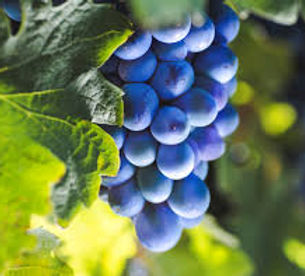
Nebbiolo d’Alba is a red wine obtained from the
vinification of the 100% Nebbiolo grape. Its color is
garnet red, while the scent recalls the fruity scents of
raspberry, geranium, wild strawberry and the spicy
ones of cinnamon and vanilla.

Alta Langa DOCG
Alta Langa Docg is the classic method sparkling wine from Piedmont. A denomination with limited production, with a very long history: it was the first classic method to be produced in Italy, since the midnineteenth century, in the “Underground Cathedrals” now recognized as a UNESCO World Heritage Site. It is produced with Pinot Noir and Chardonnay grapes, alone or together in variable percentages; it is exclusively vintage, that is, it always shows the year of harvest on the label, it can be white or rosé, brut or zero dosage and has very long aging times on the yeasts, as required by the strict regulations: at least 30 months. The white Alta Langa Docg has shades from straw yellow to intense gold and aromas reminiscent of white fruit and citrus fruits with hints of bread crust. On the palate it is harmonious, characterized by a delicate flavor. Rosé has a powder pink color or more pronounced when young, the aromatic intensity typical of Pinot Noir, with aromas ranging from grapefruit to spices, a balanced, broad and long taste in which the characteristic flavor of the Alta Langa is found Docg.

Just below one of the main ridges of the Langhe, between the Belbo and Tanaro valleys, Cascina Raflazz dominates the river valley from its 770m
Bovina, the scattered hamlets of Paroldo and the ring of the Ligurian Alps on the horizon.
All around are fenced pastures for sheep, cereal fields, meadows and woods, where inviting dirt roads lead off.
The Adami family has lived at Cascina Raflazz for centuries, and has always produced quality cheese. Claudio and Anna tend the Langa sheep herd, which consists of approximately 300 head. The farm's dairy has produced Murazzano DOP, "Tuma di pecora delle Langhe," and other raw milk cheeses since the 1980s.
Cascina Raflazz Farmhouse
Via Viora 19
12070 PAROLDO (CN)
Tel 0174 78 90 74
Cell 3351301913
Email: info@cascinaraflazz.it
MORGANA OF THE KING
Vermouth is a fortified wine officially of Piedmontese origin. It was created in Turin in 1786 by Antonio Benedetto Carpano, a distiller and herbalist who, by blending Moscato wine with aromatic herbs and spices, invented the formula later used by the vermouth category. Carpano’s workshop was located in the center of the Piedmontese capital, and having the Royal Palace just steps away created the opportunity to send a gift to King Vittorio Amedeo III, who appreciated it so much that he introduced
it into the royal family’s drinking habits. Carpano’s workshop became extremely famous in Turin and the surrounding area, and in 1820 his nephew founded the “Carpano Liquor and Vermouth Factory,” further increasing its fame. Vermouth enthusiasts were numerous, including Cavour, Giuseppe Verdi, and Massimo D’Azeglio. This contributed to making this wine a regal and aristocratic product, a sort of status symbol. By law, Vermouth must contain at least 75% wine, which is then aromatized, sweetened,
and aged. The alcohol content varies but can never be less than 15.5%. The wine, strictly of excellent quality, is generally Moscato, to which 13-15% sugar is added, along with aromatic herbs, mostly kept secret by the producers. The main one is mugwort, but other herbs used include German germander, centaury, thyme, marjoram, lemon verbena, sage, Roman chamomile, cloves, saffron, anise, coriander, fennel, vanilla, angelica, gentian, sweet calamus, iris, cinnamon bark, cinchona, and much more. The main versions of Vermouth are white, red, rosé and dry, in which the alcohol and sugar content vary.

Murazzano PDO

It is said that if you want to experience the Langa, you will enter a different, wilder world: the Alta Langa. In Mombarcaro, on fog-free mornings, you can glimpse the sea. In Bossolasco, Serravalle, and Somano, you will smell the scent of roses mingling with that of the burnt leaves of the hazelnut groves. You will find yourself in a proud land, which, thanks to the partisan war, resisted the Germans. You will discover the magical Langa of Paroldo, with its legends of the "masche," commonly known as witches. On the crest of those high hills, sometimes rising over 800 meters, you will see a land of rural poverty, but also a blessed oasis rich in botanical treasures. With a mild winter and cool summer climate, Alpine flora coexists harmoniously with Mediterranean flora, and the sheep, when they go to pasture, are greeted by a rich feast of grass and flowers, imparting the unique aromas of Murazzano cheese to their milk. Murazzano isn't just a cheese, but a cultural trait that has always distinguished the people of these hills and unites them in that unique flavor across the fifty municipalities of the denomination. In Murazzano, home to the Langhe sheep, you can taste a cheese so exquisite that even the devil tried to take it to hell. To steal it, he transformed himself into a crow, but a brave young man recognized him and threw him down a well.

Ossolano PDO

Ossolano DOP is a cheese whose centuries-old history, reflected in numerous historical, landscape, and symbolic testimonies, strongly defines the region. It is the principal cheesemaking expression of the far north of Piedmont, produced with milk from cows raised and fed entirely in the valleys of this area.
Ossolano cheese is an expression of the collective know-how of Ossola farmers, the result of a shared qualification process. The product's connection to local history and traditions stems from the relationships between the original local populations and the Walser, who over the centuries arrived from nearby Switzerland and settled in the Ossola area, becoming one of Piedmont's three linguistic minorities (along with the Franco-Provençal and the Waldensians). The recognition of Ossolano PDO cheese involved all stakeholders in the production chain—farmers, dairies, and cheese ripeners—through a long and sometimes tortuous process that allowed everyone to be involved, taking into account the needs of each stakeholder.

Roccaverano PDO

The origins go back to the people of the Celts who, settled in Liguria,
began to produce a cheese very similar to the current product. Plinio il Vecchio in his Naturalis Historia cites among the delicacies the “rubeola” of Piedmont, from the Latin ruber, term with which was indicated the reddish color assumed by the crust at the end of seasoning. In a manuscript of 1899, signed by Priest Pistone, is reported the history of the parish of Roccaverano from 960 to 1860 and there is also talk of “excellent robiole cheeses” and their spread and export outside the national borders, precisely in France. The Protected Designation of Origin for Roccaverano PDO was established in 1966 but the first official recognition is the Denomination that dates back to 1979 with the DPR signed by the President of the Republic Sandro Petrini. In 2021, the producers of the Consorzio di Tutela del Formaggio Roccaverano PDO decided to remove the term “robiola” from the name of the product in order not to create confusion in consumers using a term that has become commercially ambiguous. Today it is one of the very few goat
PDO of the entire Italian dairy scene.

Baraggia Rice


The Consortium for the Protection of the PDO Riso di Baraggia Biellese e Vercellese was recognized by the Ministry of Agricultural and Forestry Policies on 15 November 2007. Its task is carrying out functions of protection, promotion and enhancement of the PDO Riso di Baraggia. The PDO rice supply chain is made up of farms, rice mills and packers operating in the Piedmontese Baraggia area, a foothill area facing Monte Rosa that extends for 44,000 hectares between the provinces of Biella and Vercelli. About half of this territory is devoted to rice cultivation, with 22,000 hectares of paddy fields. There are 28 municipalities included in the cultivation, harvesting and processing area of the Baraggia PDO rice: Albano Vercellese, Arborio, Balocco, Brusnengo, Buronzo, Carisio, Casanova Elvo, Castelletto Cervo, Cavaglià, Collobiano, Dorzano, Formigliana, Gattinara, Ghislarengo, Gifflenga, Greggio, Lenta, Massazza, Masserano, Mottalciata, Oldenico, Rovasenda, Roasio,
Salussola, San Giacomo Vercellese, Santhià, Villanova Biellese, Villarboit